Custodian of tradition
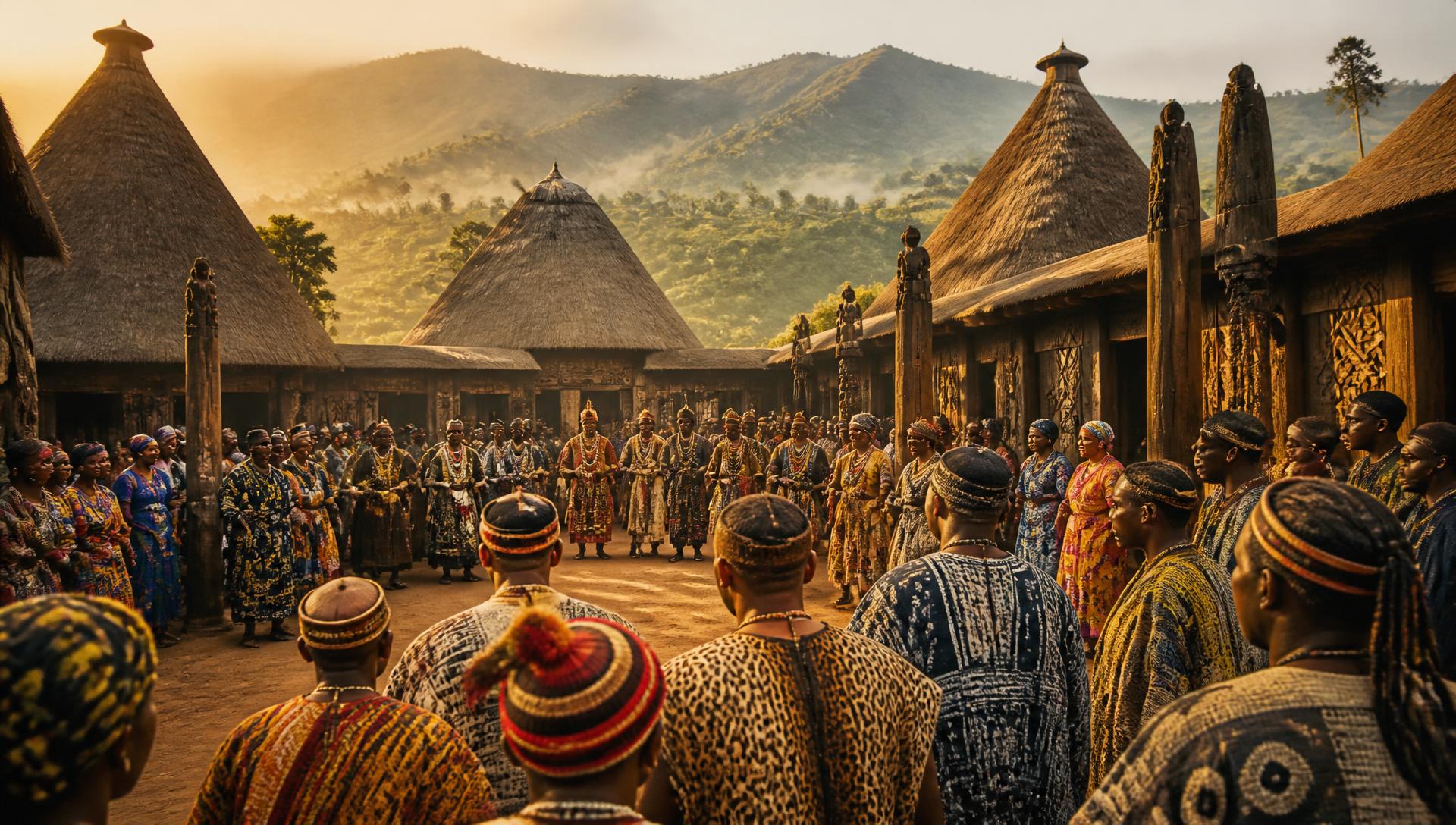
The Fô presides over ceremonies, sacred sites and the councils of notables that govern community life.
Official website of the Peuh Munka'a Southern Africa
An Online Museum of the Kingdom
A historic kingdom in the Western Highlands of Cameroon preserving centuries of leadership, tradition, identity and culture.
About the Kingdom
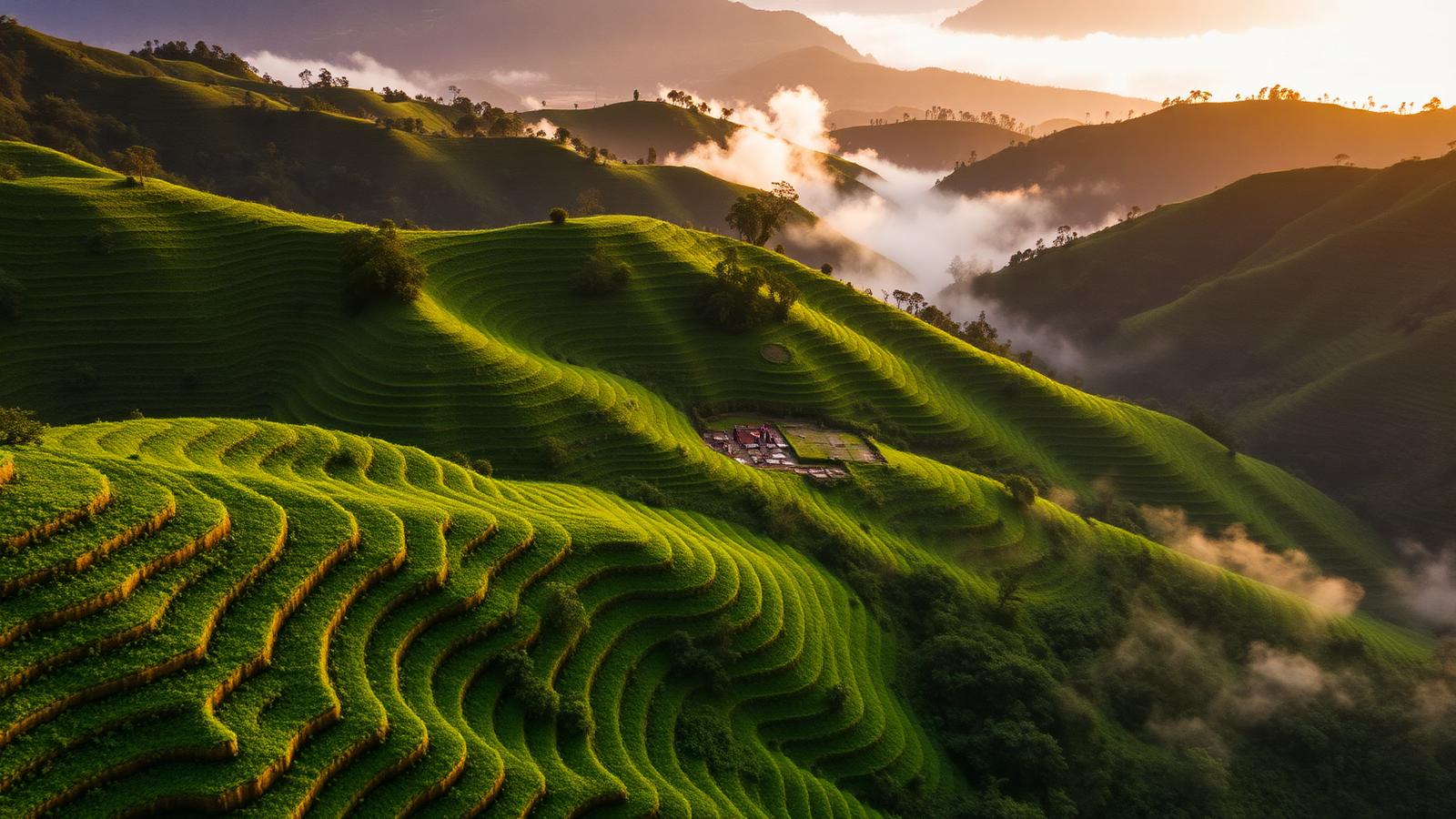
The Kingdom of Baméka is located in the Western Region of Cameroon, only a few kilometres from the city of Bafoussam, within the Bamendjou Subdivision. Its traditional name is Munka.
The expression Peuh Munka literally means Children of Munka — a name that belongs to every son and daughter of the Kingdom of Baméka, at home and abroad.
Baméka is a kingdom of rich cultural heritage and strong traditional leadership: vibrant customs, sacred sites, cyclical festivals, a royal palace at the centre of community life, and an enduring commitment to preserving its identity for future generations.
History
An interactive timeline of the Kingdom, from its founding ancestors to its digital future.
Origins
Oral tradition traces the Kingdom to founding ancestors who settled the fertile highlands, established the first compounds and named the land Munka.
Founding Ancestors
Family lineages were established across what became the seven villages, each with custodianship over land, shrines and specific ritual duties.
Traditional Governance
Authority was structured around the Fô (King), councils of notables, secret societies and village heads — a system of consultation and accountability still active today.
Colonial Period
German and later French administration reshaped borders and economies, yet Baméka institutions, language and ceremonies endured through adaptation.
Modern Baméka
Education, migration and urban growth carried Baméka sons and daughters to Douala, Yaoundé, Europe and Southern Africa — and back home for every festival.
Future Vision
Archives, genealogy, cultural tourism and youth education, so that generations yet unborn inherit an intact identity.
The Royal Palace
The palace is more than architecture: it is archive, courtroom, sanctuary and stage. Carved posts, ceremonial courtyards and royal regalia carry the memory of every reign.
Royal Dynasty
Every King of Baméka is remembered through portrait, biography, achievements, historical period and legacy.
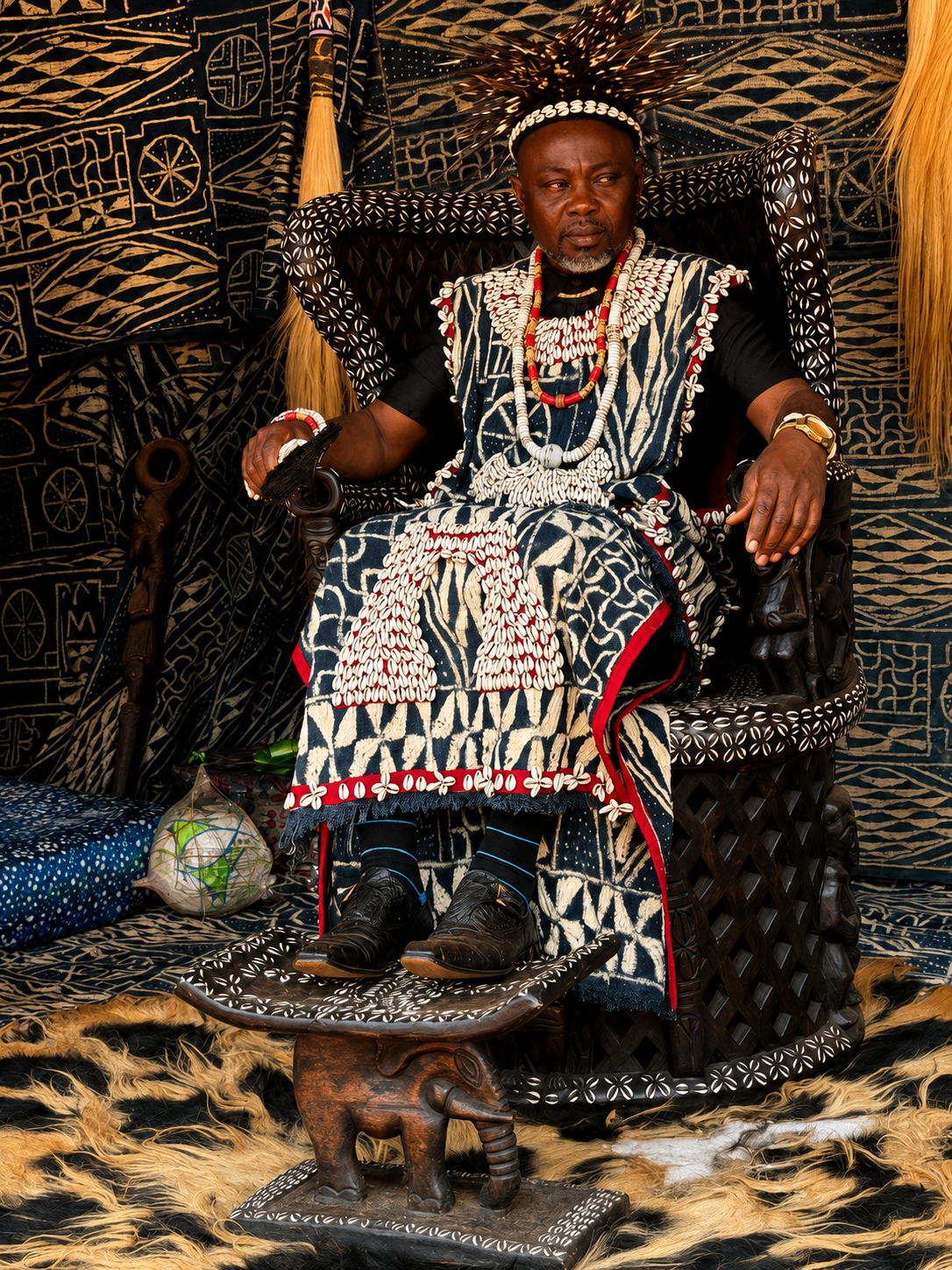
The Fô presides over ceremonies, sacred sites and the councils of notables that govern community life.
His Majesty represents Baméka before national authorities, partners and the international community.
The throne binds the seven villages and the diaspora into a single people — the Peuh Munka.
Education, health, infrastructure and cultural tourism advance under royal patronage.
Seven Villages
History · Landmarks · Traditions
Guardian of the eastern approach to the palace, known for its blacksmiths and pottery lineages.
History · Landmarks · Traditions
A farming village of terraced slopes, celebrated for its harvest rites and drum ensembles.
History · Landmarks · Traditions
Home to some of the Kingdom's oldest compounds and the custodians of oral genealogy.
History · Landmarks · Traditions
Known for weaving, indigo dyeing and the ndop cloth worn at royal ceremonies.
History · Landmarks · Traditions
A village of springs and sacred groves at the foot of the Baméka hills.
History · Landmarks · Traditions
Recognised for its notables, its markets and its role in traditional dispute resolution.
History · Landmarks · Traditions
Site of Ngouo'o Ngouang, one of the Kingdom's most revered sacred landscapes.
Sacred Heritage
Six sites at the spiritual core of Baméka, documented through photography, aerial film, maps and oral history.
Ancestral forest of the founding lineage
A protected grove where the Kingdom's founding covenants are remembered and libations are offered.
Stone of the elders' council
A gathering place where notables historically deliberated on matters of land, justice and succession.
Sacred water source
A spring associated with purification rites, healing and the blessing of newborn children.
The high place of Ngouang
An elevated site of great spiritual weight, visited during enthronement and cyclical festivals.
Shrine of the seven
A shrine linking the seven villages of the Kingdom in a single ritual geography.
Place of ancestral memory
A site of remembrance where lineages honour those who came before.
Baméka Culture
Sixteen strands of heritage documented and taught, from dance and dress to medicine and proverbs.
Digital Museum
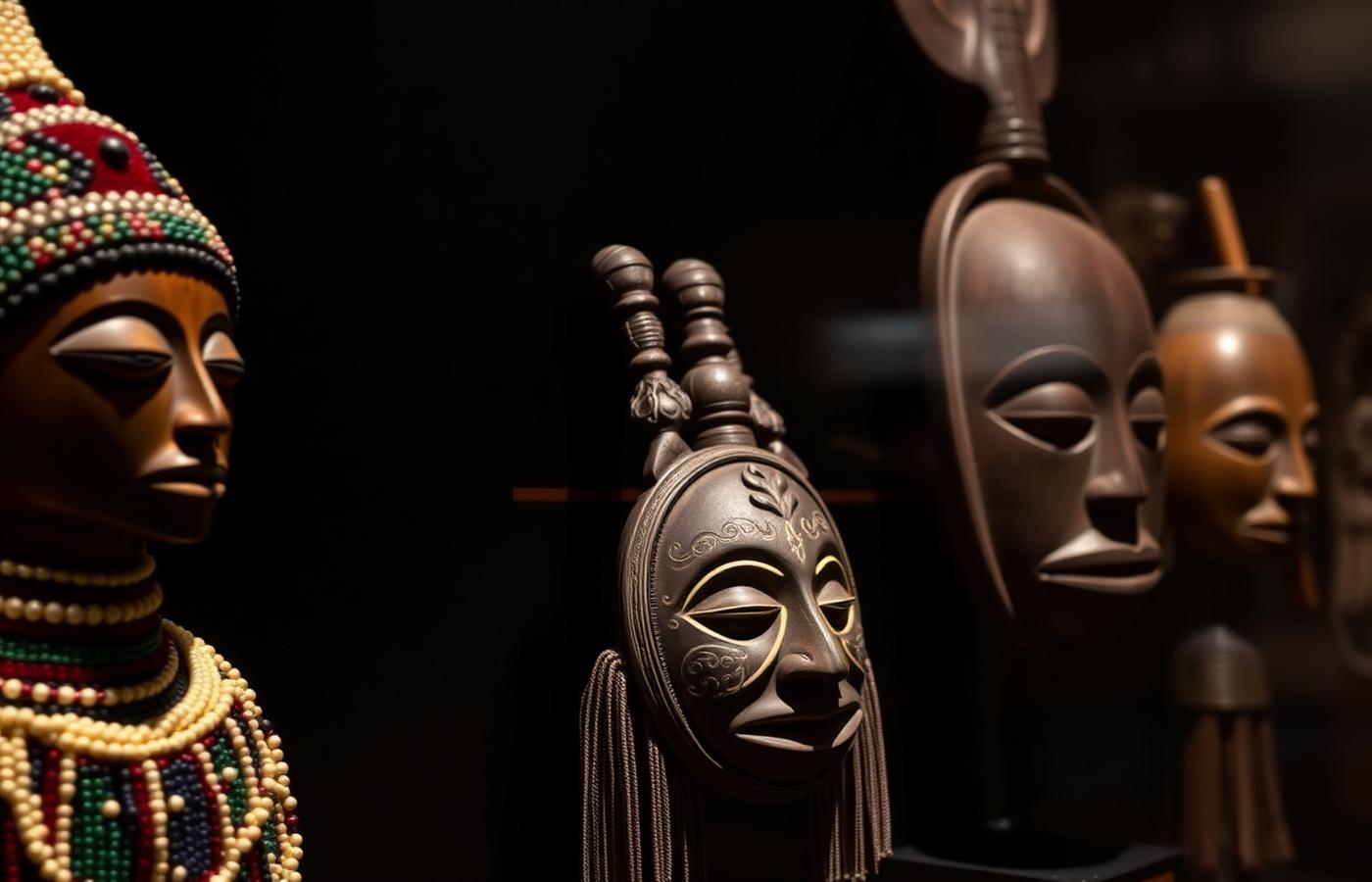
Photographs, film, audio recordings, documents, regalia and instruments — curated into permanent and virtual exhibitions.